

Let’s be honest: wedding budgets have a way of starting out “reasonable” and then quietly turning into a spreadsheet with 47 tabs, three emotional breakdowns and a line item for personalised napkins no one asked for.
The good news? You can have a beautiful, meaningful, personality-filled wedding without spending money in every possible direction. The key is knowing what matters most, what you can skip, and where the budget blowouts usually sneak in.
Here are five practical wedding budget tips every couple should know before they start booking, buying and panic-adding things to cart at midnight.
 1. Set a maximum spend for your whole wedding
Before you book the venue, fall in love with a dress, or start collecting Pinterest boards like it’s a competitive sport, sit down together and decide on your absolute maximum wedding spend.
Not the “wouldn’t it be nice” number. The real number.
This should be the amount you are comfortable spending without resenting the wedding later. Include everything: venue, food, drinks, florals, styling, signage, outfits, beauty, photography, entertainment, stationery, transport, accommodation, gifts, ceremony costs and all the tiny extras that somehow appear along the way.
A great place to start is with a simple spreadsheet. Create one tab for expected expenses and another for actual expenses. As you book vendors and make purchases, update the real numbers. Your total budget minus what you’ve already spent equals what you actually have left to work with.
It sounds simple, but it is one of the easiest ways to stop the budget from drifting. Because “just another $300” here and “just another $600” there can very quickly become “how did we spend an extra $8,000?”
2. Choose your top three non-negotiables
Every couple has different priorities, and that is exactly how it should be. Your wedding budget should reflect your version of a dream day, not someone else’s checklist.
Choose your top three non-negotiables early. These are the things you care about most and are happy to invest in.
For some couples, it might be the venue because the aesthetic is everything. For others, it might be incredible food, a designer dress, live music, photography, florals, or having a planner so you are not running around with a clipboard on the day, IN your wedding dress.
Once you know your top three, allocate more of your budget to these top 3 and be more flexible (strict) everywhere else.
For example, if the venue already has beautiful architecture, gardens or interiors, you may not need to spend as much on extra styling. If food is your love language, prioritise catering and simplify the cake or late-night snacks. If photos are your forever keepsake, invest in the photographer/videographer and content creator you truly love and cut back on things that will not matter as much after the day is over.
Your budget becomes much easier to manage when you stop trying to make everything the main character.
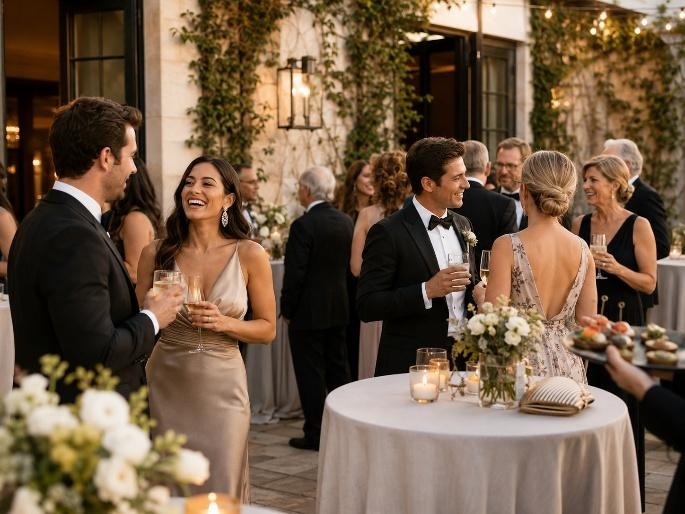 3. Be ruthless with your guest list
This is where the budget gets real.
Every extra guest adds more than just one meal. They can affect your catering, drinks, seating, stationery, table styling, hire items, favours, venue capacity and staffing costs. That one extra person is rarely just one extra person on the invoice.
Let’s say your catering cost is around $160 per guest. A 60-person wedding means you are already looking at $9,600 just for guest meals. Now imagine every guest brings a plus-one. Suddenly, your food cost is pushing close to $20,000 before you have even added drinks, cake, styling or entertainment. adding plus-ones equates to six more tables. At easily $400 per table for styling, florals, candles, menus, placecards, guest favours, custom napkins - theres another $2400 budget blowout. So now you are paying an extra $22 400 and you are wondering "how did this happen?"
And then come the “plus-one and two kids” situations.
This is why your guest list needs boundaries. Invite your nearest and dearest. The people who know you, love you, support your relationship and will actually be part of your life after the wedding.
Think carefully about plus-ones. If you do not know them, do they need to be at your wedding? If someone is casually dating a person you have never met, it is okay to make a decision that protects your budget and the intimacy of your day.
A smaller guest list does not mean a smaller celebration. It often means a more personal, relaxed and meaningful one. And one where you choose where your budget dollars go for best impact and memories that last forever.
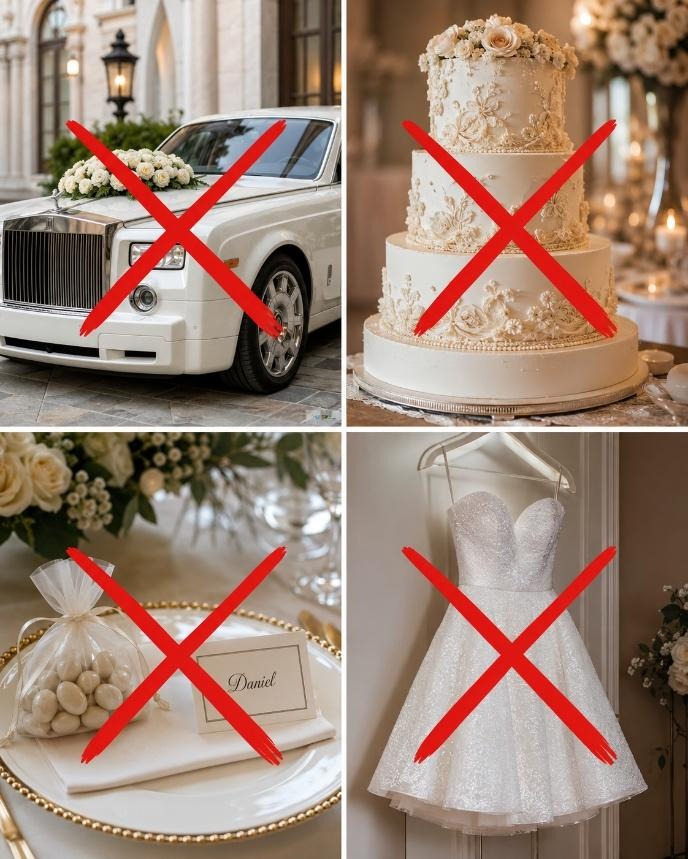
4. Decide what you can do without
Not every wedding tradition needs a place at your wedding. Some things are beautiful, some are fun, and some are just expensive because everyone assumes they are “what you do.”
Start asking: will we actually miss this?
Cake is a perfect example. If you are not cake people, skip the three-tier masterpiece and do a late-night lolly bar, pizza bar, taco station or dessert table instead. Guests love food they can actually eat when they are hungry, especially after a few drinks and a night on the dance floor.
Guest favours are another easy one to reconsider. Unless they are edible, useful or immediately consumed, there is a very good chance they will be left behind on the tables. Cookies? Great. A shot of whiskey? Yes. A tiny personalised trinket that ends up in a drawer? Maybe not worth the spend.
Transport is another area to question. Do you need hired transport to the ceremony, or can you make a simpler plan? Do you need multiple vehicles, or just one special arrival moment?
And then there are florals. Bouquets are gorgeous, but they do not all need to be elaborate. Could your bridesmaids carry elegant single stems instead of full bouquets? Could you focus the floral budget on the ceremony feature, bridal bouquet or reception styling instead? Sometimes one beautifully designed statement moment has far more impact than spreading the budget thinly across too many pieces.
Doing without certain things does not make your wedding less beautiful. It makes it more intentional.
5. Set aside 10% for last-minute expenses
No matter how organised you are, weddings come with surprises. Things you didnt account for
The spray tan or makeup trial. Wet-weather changes. Delivery fees. Dress alterations. Printing updates because some of your guests pulled out last minute (ugh!). A forgotten signage stand. More umbrellas. More drinks. More everything.
This is why a contingency budget matters.
Set aside around 10% of your total wedding budget for last-minute expenses and budget blowouts. If your budget is $40,000, try to keep $4,000 untouched as your safety net. It is not the fun part of the budget, but it is the part that saves you from stress later.
And if you do not use it? Amazing. You have money left for your honeymoon, your home, or seven massages to recover from the emotional sport that is wedding p
lanning.
Final thought
A wedding budget is not about stripping the joy out of your day. It is about protecting the things that matter most, cutting the things that do not, and making sure your money is working toward the kind of celebration you actually want.
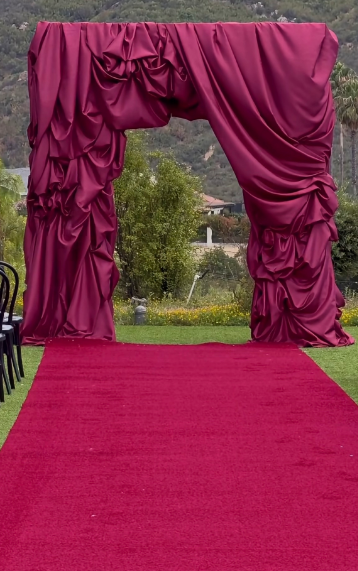
Beautiful weddings are not built by spending everywhere. They are built by spending wisely.
Married couples, we want to know: what did you have on your wedding day that you could have gone without? And where do you wish you had spent more?
Planning your own wedding and want help keeping the dream within budget? Mayflower Designs offers wedding planning, florals, styling, balloon styling, set-up and pack-down services, and on-the-day coordination tailored to what you actually need.
Let’s chat and plan your dream wedding — in budget.